


Smarter AI tools for practical business growth.
SMART Solutions helps businesses use artificial intelligence to simplify reports, content, support, workflows, and decision-making without adding unnecessary complexity.

AI should solve real problems, not create more tools to manage.
We focus on AI solutions that support daily business operations: reports, content, support, workflows, and team productivity.
AI report generation
Turn complex data, notes, forms, and performance information into clear business reports your team can review and use faster.
- Performance summaries
- Client update reports
- Internal insights
- Recurring business documentation
AI content assistance
Create drafts for blogs, emails, product descriptions, social posts, service pages, and marketing campaigns with your brand voice in mind.
- Blog and website copy
- Email drafts
- Social media ideas
- Brand voice support
AI customer support
Help your business reply faster to common questions, route requests, summarize conversations, and support customers beyond office hours.
- Chat and email replies
- FAQ assistants
- Ticket summaries
- Escalation workflows
AI workflow automation
Connect AI with everyday business processes so your team can reduce repetitive work and focus on decisions, service, and growth.
- Task assistance
- Data organization
- Follow-up reminders
- Process simplification
The opportunity is real,
but scaling AI takes planning.
Most organizations are already using AI, but many are still experimenting instead of redesigning workflows around measurable value. That is where a practical AI plan matters.
AI adoption
Nearly two-thirds of organizations are not yet scaling AI enterprise-wide.
This creates a strong opening for small businesses that move carefully: start with useful workflows, build safe habits, and improve over time.
AI security
AI without governance can create new data and security risks.
AI adoption should include approved tools, user training, data controls, access management, and clear rules for sensitive information.
AI can become a practical teammate for your daily operations.
Save time on repetitive work
AI can help reduce manual drafting, summarizing, sorting, responding, and reporting so your team has more time for higher-value work.
Improve response speed
AI assistants can help businesses answer common questions, prepare replies, summarize tickets, and support customers with faster first responses.
Make information easier to use
AI can organize raw information into summaries, insights, checklists, next steps, and decision-ready reports.
Smarter AI starts with security, clarity, and human oversight.
AI should be useful, explainable enough for the task, reviewed by people, and introduced with controls that protect your business information.
Human review
AI should assist your team, not silently replace judgment. Important decisions should remain reviewable by people.
Data protection
Business AI systems should be planned around access control, privacy, data handling, and safe usage guidelines.
Clear purpose
The best AI projects begin with a real business problem, a measurable workflow, and a practical outcome.
Secure adoption
AI tools should be introduced with policies, approved platforms, user training, and visibility into how data is used.
AI should not become a shadow technology problem.
Before your team starts pasting business information into random AI tools, build a safer approach for usage, access, data, and review.
From AI ideas to practical business workflows.
Assess
We review your business workflows, repetitive tasks, current tools, customer communication, data sources, and AI readiness.
Plan
We identify practical AI opportunities, security concerns, data requirements, user roles, and the best starting points.
Build
We help configure AI tools, prompts, automations, assistants, templates, workflows, and integrations around your real operations.
Support
We help your team use AI safely, improve outputs, adjust workflows, and keep AI aligned with your business needs.
AI works better when connected withthe tools your business already uses.
We help align AI with business systems, content workflows, support processes, automation tools, cloud platforms, and everyday operations.




Brand availability and recommended equipment may vary by project requirements, property type, compatibility, budget, and support needs.
AI is not new, but business adoption is accelerating.
From early research labs to everyday business workflows, AI has moved through decades of innovation before becoming a practical tool for modern teams.
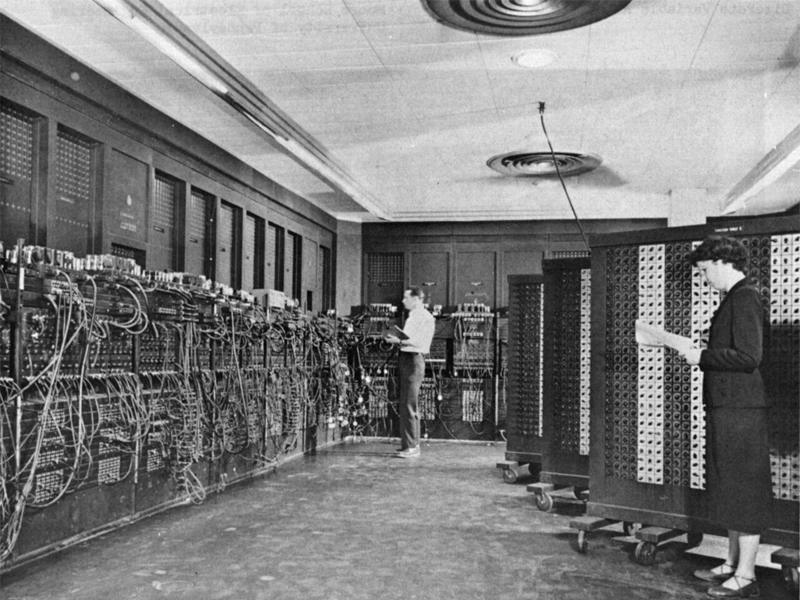
1956
The sparkAI becomes a field
Researchers begin treating artificial intelligence as a serious field: machines that could reason, learn, and solve problems.
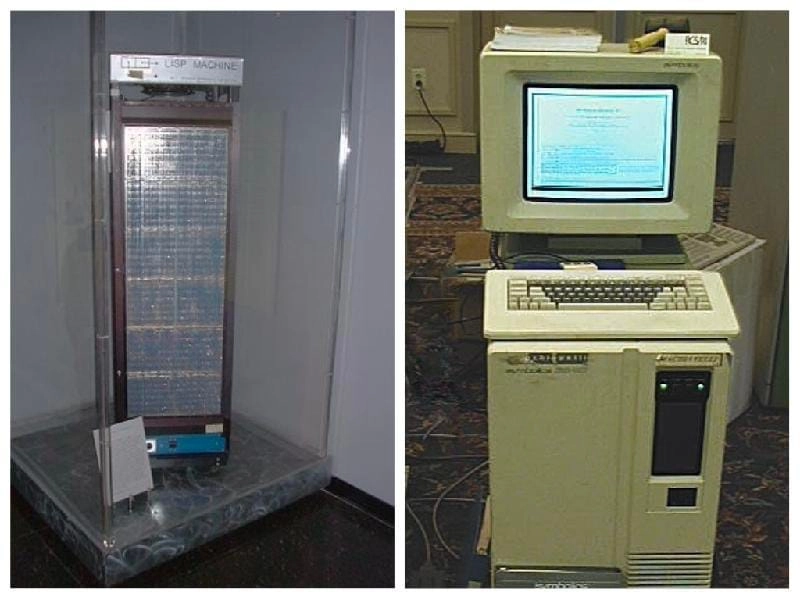
1980s
The rule eraExpert systems enter business
Companies start using rule-based AI systems to support decisions in fields like finance, medicine, engineering, and operations.

2012
The learning jumpDeep learning accelerates
AI becomes much better at recognizing patterns in images, speech, language, and complex data, opening the door to modern AI tools.

2023
The creator momentGenerative AI goes mainstream
AI tools become accessible to everyday teams, helping people write, summarize, design, brainstorm, code, and communicate faster.

2026
The business layerAI becomes operational
Businesses move from testing AI tools to building AI workflows, assistants, governance, training, and secure adoption plans.
Built for teams that want AI to support people, not confuse them.
Questions about AI for business?
Can AI help my business even if we are not a tech company?
Yes. Many useful AI projects are simple and practical: reporting, content drafts, customer replies, data organization, summaries, internal documentation, and workflow support.
Will AI replace my employees?
AI works best as a support tool. It can reduce repetitive tasks, but people are still needed for judgment, customer relationships, strategy, creativity, and final review.
Is AI safe for sensitive business data?
It depends on the tool, settings, access controls, and usage policies. SMART Solutions helps businesses think through safe AI adoption before connecting tools to sensitive information.
What is the best first AI project for a small business?
The best first project is usually a repeatable workflow with a clear outcome, such as generating reports, summarizing support requests, drafting content, or organizing internal information.
Ready to use AI smarter?
Tell us what your team repeats every day. We will help you find the right AI starting point.
Start with a practical AI consultation for reporting, content, support, internal workflows, automation, and secure AI adoption.