

Home Automation vs Smart Office Automation: What Is the Difference?
Compare home and smart-office automation to understand how each supports comfort, control, meetings, productivity, security and daily workflows.
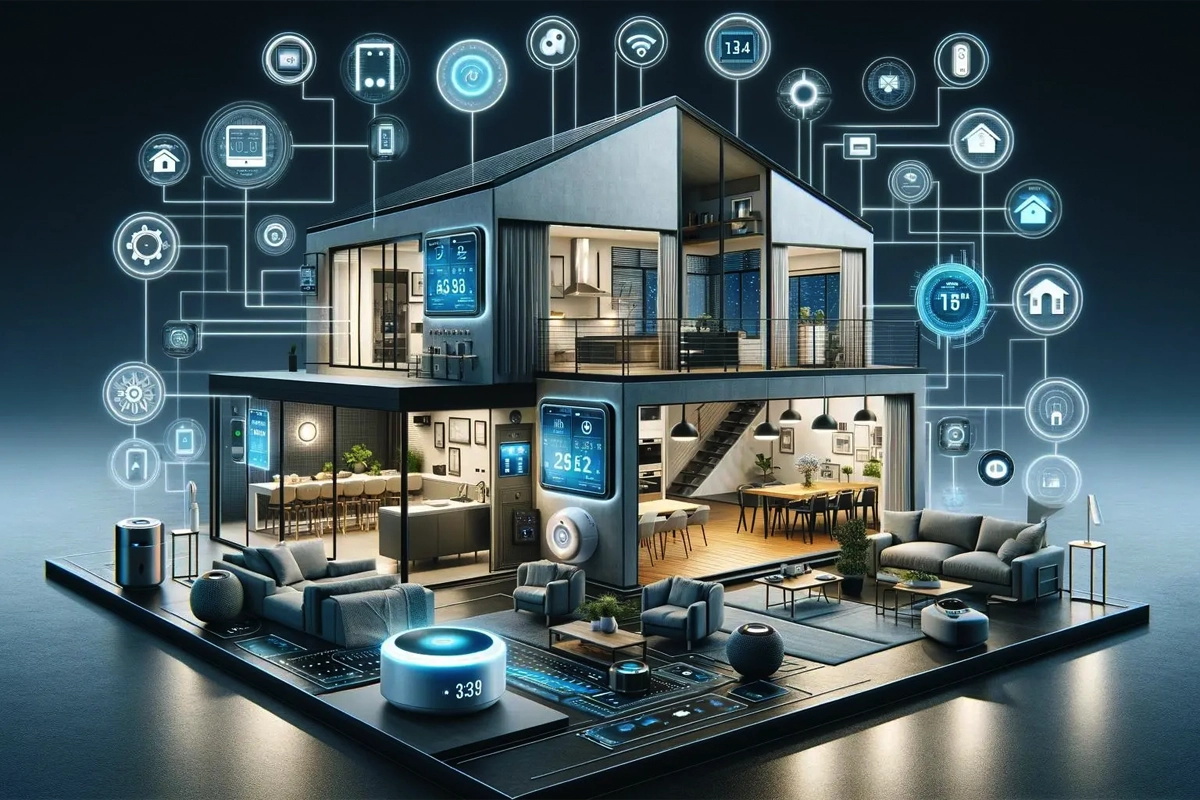
Home automation and smart office automation both use connected technology to make spaces easier to control.
But they are designed for different environments.
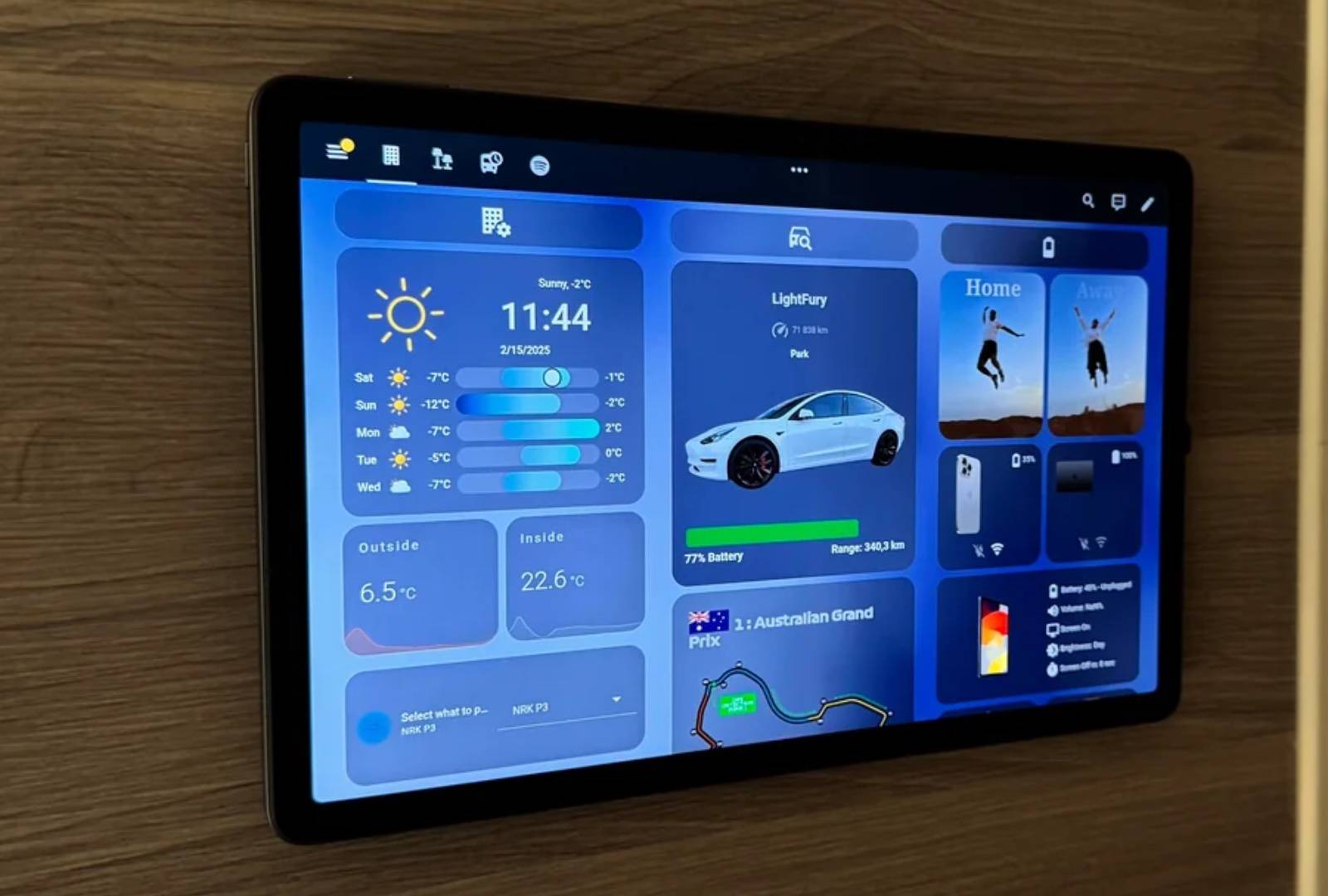
Home automation focuses on comfort, convenience, lighting, climate, entertainment, security, voice control, blinds, and daily routines.
Smart office automation focuses on productivity, meetings, presentations, communication, lighting, scheduling, connected devices, and business workflows.
Both can be valuable. The right choice depends on the space, the users, and the problem you want to solve.
SMART Solutions designs automation systems for homes, offices, conference rooms, entertainment spaces, and business workflows that need smarter control.
SMART takeaway
Home automation improves daily living. Smart office automation improves daily operations.
The best automation system is not the one with the most devices. It is the one designed around how people actually use the space.
Quick answer
Home automation is best for homeowners who want easier control of lighting, climate, security, audio/video, blinds, scenes, and smart devices. Smart office automation is best for businesses that want better meeting rooms, presentation systems, lighting control, scheduling, workflows, and connected office technology.
Home automation vs smart office automation
What is home automation?
Home automation connects technology inside a home so it can be controlled more easily.
This can include:
- Smart lighting
- Climate control
- Smart locks
- Security cameras
- Motorized blinds or shades
- Whole-home audio
- Home theater systems
- Voice control
- Mobile control
- Scenes and routines
A good home automation system should feel simple. It should help the home respond to the way people live.

What is smart office automation?
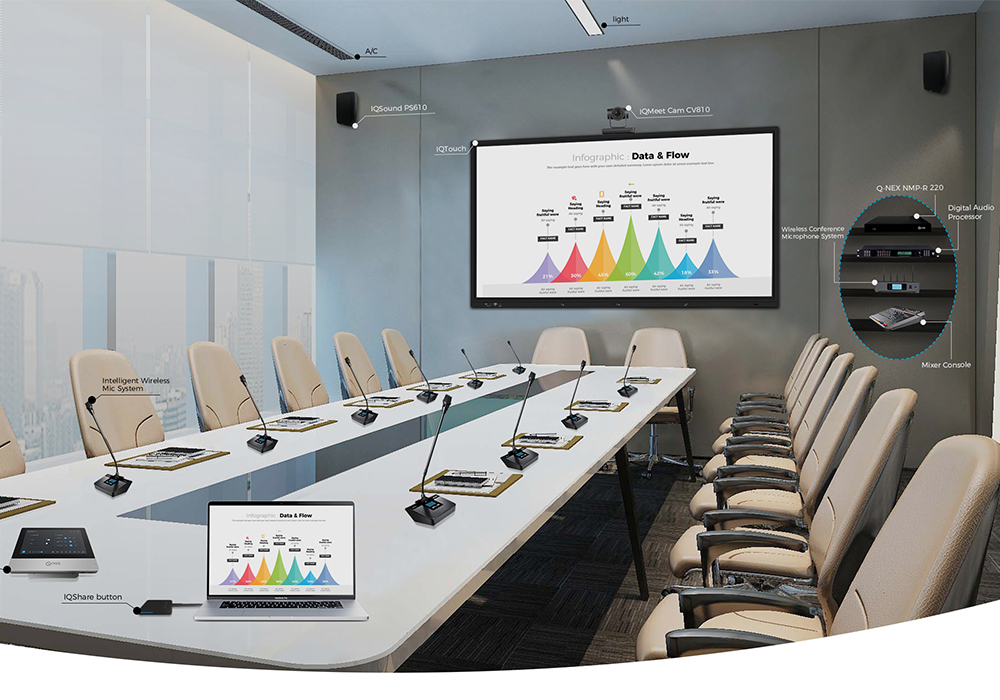
Smart office automation connects technology inside a business environment.
It can include:
- Conference room displays
- Video conferencing systems
- Microphones and speakers
- Presentation controls
- Lighting scenes
- Scheduling tools
- Access control
- Office sensors
- Workflow automation
- Connected business devices
The goal is to reduce friction in daily work.
A smart office should make meetings easier, spaces more usable, and technology less confusing.
Best for home automation
Home automation is best for:
- Comfort and convenience
- Lighting scenes
- Climate control
- Home theaters
- Smart security integration
- Voice and mobile control
- Motorized blinds
- Daily routines like morning, evening, away, or vacation mode
Home automation helps answer the question: how can this home be easier and more comfortable to use?
Best for smart office automation
Smart office automation is best for:
- Conference rooms
- Meeting spaces
- Presentation systems
- Video calls
- Office lighting scenes
- Scheduling and room readiness
- Connected displays and microphones
- Routine business workflows
Smart office automation helps answer the question: how can this workspace run smoother?
The biggest difference is user behavior
At home, automation usually supports personal comfort and lifestyle.
In an office, automation must support multiple users, shared spaces, clients, schedules, permissions, reliability, and training.
Can one property need both?
Yes.
Some environments need both home automation and smart office automation.
For example, a home office may need:
- Business-grade Wi-Fi
- Video conferencing
- Lighting control
- Sound control
- Smart home comfort
- Secure network access
A business owner may also want similar control at home and at the office, but each system should still be designed around the actual environment.
Planning matters more than devices
The biggest mistake is buying smart devices one at a time without a plan.
Disconnected devices can create confusion. Different apps, passwords, controls, automations, and platforms can make the space harder to manage.
A good automation plan should review:
- Who will use the space?
- What needs to be controlled?
- Which routines or workflows should be simplified?
- What devices already exist?
- What network or Wi-Fi support is needed?
- How should users control the system?
- What needs to happen if the internet goes down?
- Who will support the system after installation?
Automation reality
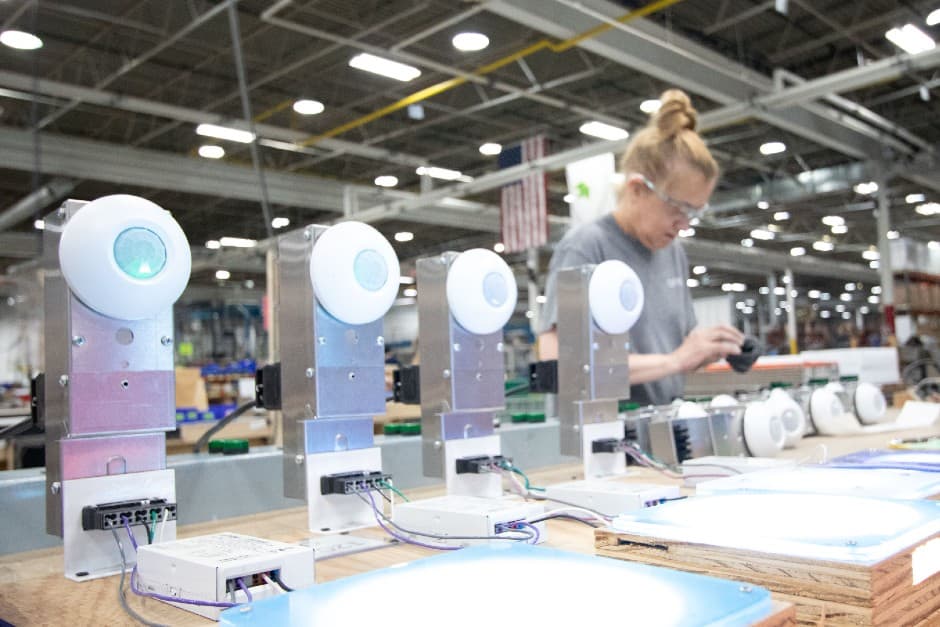
Smart devices do not automatically create a smart system.
Automation works best when lighting, climate, AV, security, network, controls, and user behavior are planned together.
Which one should you choose?
Choose home automation if your priority is comfort, convenience, entertainment, home security, and easier control at home.
Choose smart office automation if your priority is meetings, presentation systems, office productivity, shared technology, and smoother business operations.
Choose both if your home and business both depend on connected systems that should be easier to manage.
How SMART Solutions helps
SMART Solutions designs automation systems for South Florida homes and businesses.
We can help with:
- Home automation planning
- Smart office automation
- Audio/video automation
- Lighting and climate control
- Conference room automation
- Workflow automation
- Smart device integration
- Network readiness and support
Ready to automate smarter?
Build automation around the way your space is actually used.
SMART Solutions can help you design home automation or smart office automation that simplifies control, improves comfort, and supports daily routines.
Contact SMART Solutions to plan an automation system for your home, office, or connected environment.