SMART SOLUTIONS

One Wrong Click: How Phishing Can Shut Down a Dental Practice

In a modern dental practice, nearly every part of the day depends on technology working exactly as it should. Scheduling, patient communication, practice management software, digital imaging, records access, claims processing, and billing all rely on connected systems.

That is why a phishing attack can be so damaging.

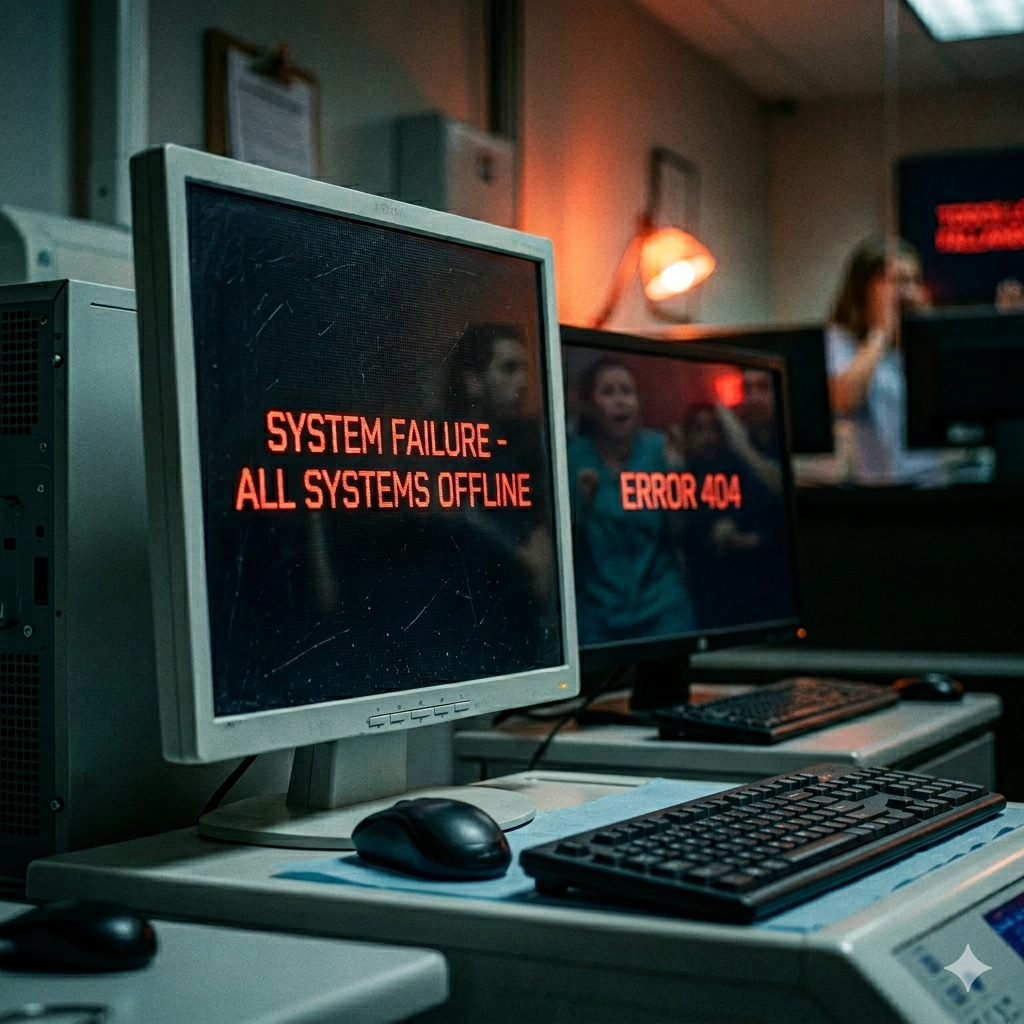
Many dental professionals still think of phishing as just another suspicious email. In reality, phishing is often the first step in a much larger disruption. One wrong click can trigger downtime, lock staff out of critical systems, interrupt patient care, and create costly recovery problems for the entire office.

At SMART Solutions, we help dental practices identify vulnerabilities before attackers do. Understanding how phishing works is one of the most important steps in protecting your clinic, your team, and your patients.

It Usually Does Not Start with a “Cyberattack”

One of the biggest misconceptions in the dental health sector is that cyber incidents always begin with something dramatic. In most cases, they do not.

They start during a normal workday.

A team member is multitasking. The front desk is busy. An email looks legitimate. A login page seems familiar. Someone clicks quickly, intending to handle a routine task and move on.

That is exactly why phishing is effective.

It does not rely on breaking through the front door with force. It works by convincing someone inside the practice to open the door for the attacker.

What Phishing Really Means in a Dental Office

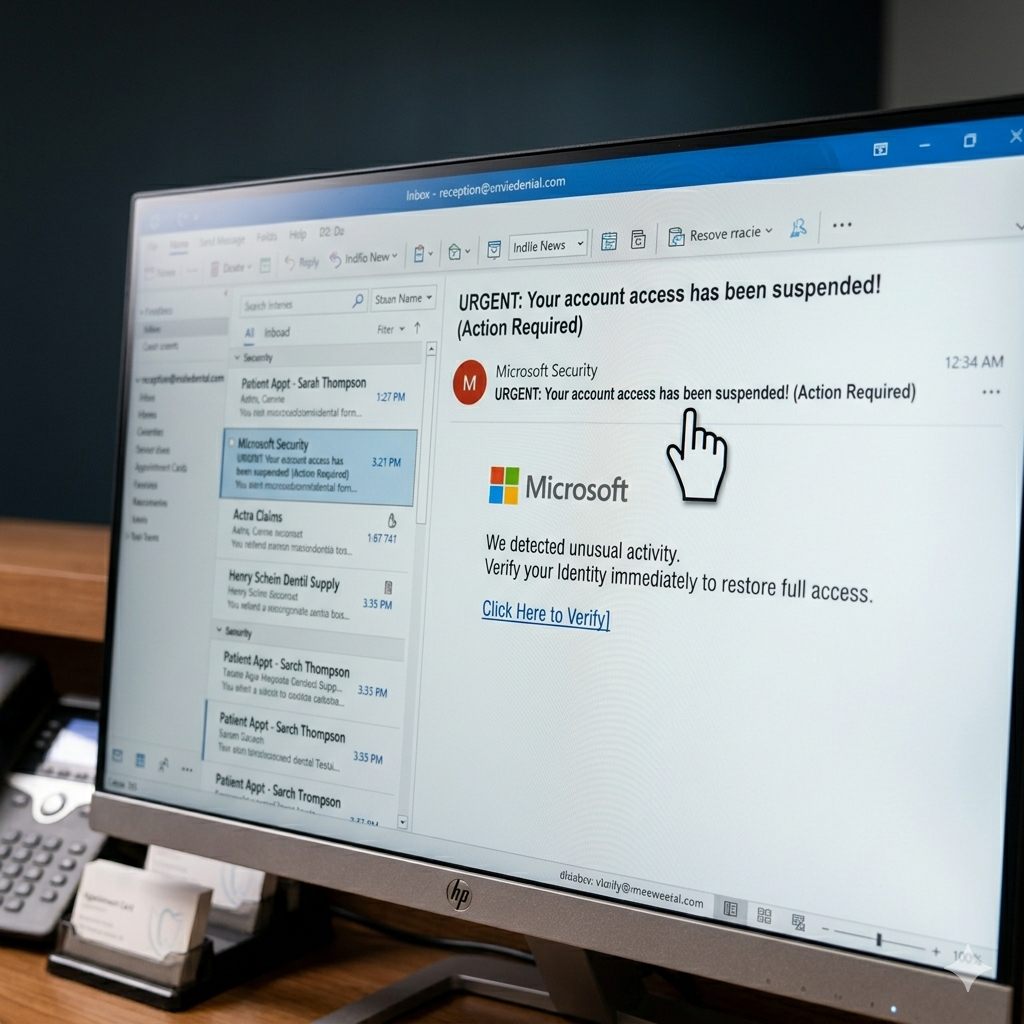
Phishing is a tactic used to trick employees into revealing credentials, opening malicious links, downloading harmful files, or interacting with fake websites that appear trustworthy.

In dental practices, phishing can be especially dangerous because staff members move quickly and depend on email, online portals, payment tools, software logins, and patient communication platforms throughout the day.

Attackers know this.

They understand that dental offices are busy environments where decisions happen fast. That makes phishing a strategic threat, not a random one.

Why Dental Practices Are Vulnerable?

Dental offices handle sensitive patient information, rely on time-sensitive scheduling, and often operate on tightly connected digital workflows. If one part of that system is compromised, the effects can spread quickly.

A successful phishing attempt can lead to:

Loss of Access to Practice Management Software

When the system your team depends on becomes inaccessible, daily operations can stall immediately.

Disruption in Patient Communication

Appointment confirmations, reminders, follow-ups, and front-desk communication may be delayed or interrupted.

Inability to Retrieve Records or Imaging

When staff cannot access charts, x-rays, or imaging, patient care and treatment flow are affected.

Delays in Claims
Processing

Billing systems and insurance workflows can slow down or stop, affecting revenue and cash flow.

Costly Downtime

Even a short interruption can reduce productivity, impact patient experience, and create operational stress.

Damage to Patient Trust

Patients may never see the technical problem itself, but they feel the effects when a dental office appears disorganized, delayed, or unavailable.

How One Click Becomes a Full Operational Shutdown

The most dangerous part of phishing is that the visible click is often only the beginning.

Behind the scenes, a phishing event can start a chain reaction that affects the entire practice. Credentials may be captured. Malware may spread. Access to core systems may be interrupted. Communication tools may fail. Software logins may stop working. Critical workflows may freeze.

What began as a single action can quickly become a full business interruption.

For dental offices, that means the issue is no longer just “IT related.” It becomes a patient care, scheduling, production, and reputation problem.

Why Phishing Works So Well in Healthcare and Dentistry?

Phishing works because it is built around human behavior.

It takes advantage of:

- urgency

- routine

- distraction

- trust in familiar brands

- repeated daily login activity

- fast front-desk decision-making

Dental teams often work in high-volume environments where speed matters. The front desk may be handling calls, patients, forms, insurance questions, and schedules all at once. Clinical staff may be accessing systems quickly between cases. That pace makes phishing attempts harder to spot unless the office has strong awareness and protection in place.

How to Detect a Phishing Attempt?

Dental staff do not need to become cybersecurity experts, but they do need to know what to watch for.

Here are some of the most important signs of a phishing attempt:

Check the Link Carefully

A phishing link may look close to a legitimate site but include subtle misspellings, extra characters, or misleading domains.

Review the Sender Address

The display name may look familiar, but the actual email address can reveal the scam.

Watch for Pages That Feel Slightly Off

A fake login page may copy the look of a trusted platform while showing unusual formatting, mismatched logos, or missing details.

Notice Unusual Login Behavior

If a page behaves strangely, asks for information unexpectedly, or breaks the normal workflow your team uses every day, pause immediately.

Be Careful with Shortened or
Hidden Links

Short links can hide the real destination and make malicious pages harder to identify.

Check for Fake Pages Impersonating Trusted Platforms

Attackers often imitate popular login tools and cloud platforms because employees already trust them.

Why Training Alone Is Not Enough

Employee awareness matters, but awareness by itself is not enough.

Dental practices also need:

- secure email filtering

- multi-factor authentication

- user-specific logins

- endpoint protection

- backup and recovery readiness

- monitored systems

- clear downtime procedures

- fast IT response when an incident happens

Cybersecurity works best when staff training and technical safeguards support each other.

The Business Impact of Phishing on a Dental Practice

Phishing affects more than technology. It affects production.

When systems are down, the office may struggle to confirm appointments, access imaging, process claims, communicate with patients, or keep the day moving as planned. That can create a ripple effect across the entire schedule.

How SMART Solutions Helps Dental Practices Stay Protected

At SMART Solutions, we help dental practices take a proactive approach to cybersecurity. Our goal is to help clinics identify vulnerabilities before they become disruptions.

We support dental offices with:

Risk Identification

Discover hidden vulnerabilities before they turn into costly disruptions

Phishing Awareness Guidance

Help your team recognize suspicious emails, links, and login requests before attackers gain access

Stronger IT Security Practices

Build a more secure dental office with smarter protections, better controls, and safer daily workflows

Protection for Critical Systems

Secure the essential platforms your practice depends on for scheduling, records, imaging, and communication

Support for Operational
Continuity

Keep your dental practice running smoothly with strategies that reduce interruptions and protect productivity

Practical Strategies That Reduce Downtime and Cyber Exposure

Implement real-world solutions that lower risk, strengthen resilience, and minimize costly outages

Let us know how we can help you